
A methane-reducing co-product
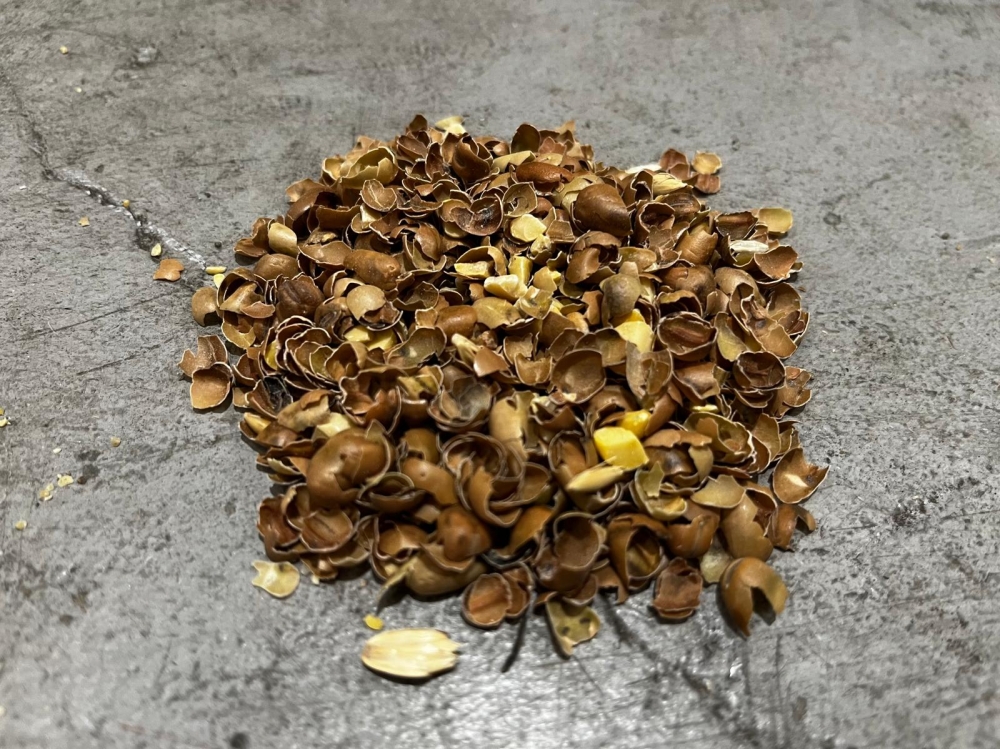
The first ingredient is a tannin-rich co-product produced when faba beans are dehulled. The seed coat carries condensed tannins that alter rumen fermentation and may reduce the methane produced during digestion. Exploratory work at SRUC has shown potential. A potential reduction of 10 per cent would avoid 875,000 tonnes of CO2e per year across the UK dairy herd.
The project profiles tannin content across UK faba bean varieties, identifies the highest-performing candidates and progresses them through in vitro fermentation studies and in vivo dairy trials. This pathway validates performance, sets commercial inclusion levels and confirms if the product is a commerical methane-reducing feed ingredient.
A soya replacement
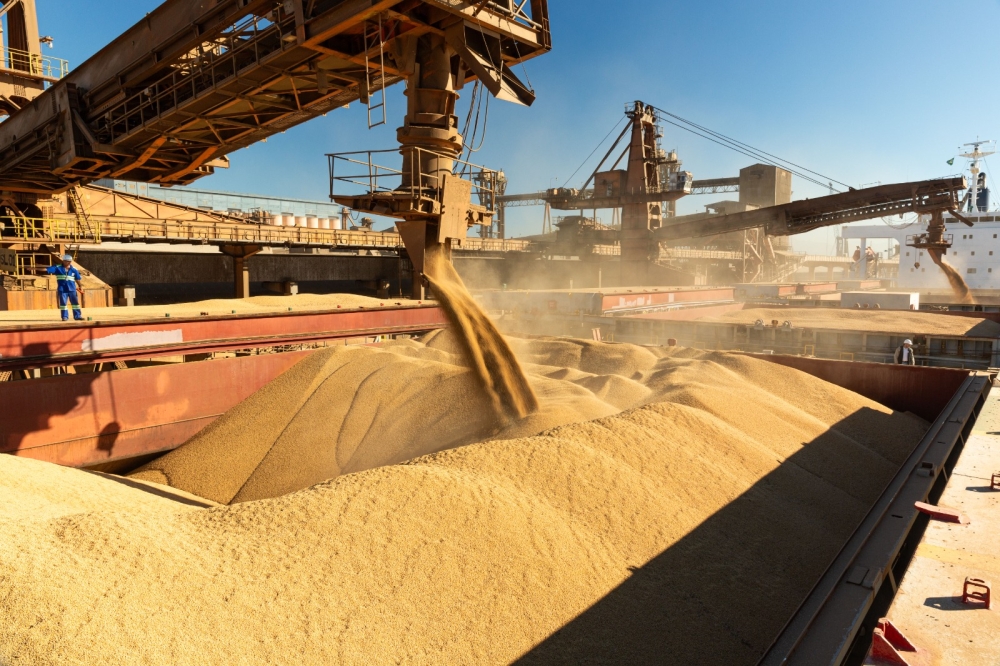
The second ingredient is a thermally treated whole faba bean. Heat treatment increases the proportion of protein that bypasses the rumen and reaches the small intestine, improving nutritional value and bringing performance closer to soybean meal as a high-protein concentrate ingredient. Replacing 360,000 tonnes of imported soybean meal currently used in UK dairy rations with UK-grown faba beans would avoid 750,000 tonnes of CO2e per year. Trials within the project optimise thermal treatment parameters, validate nutritional performance against soya-based diets in lactating dairy cows and confirm commercial inclusion rates that maintain milk yield, milk composition and feed efficiency at or above current standards.
Combined potential
Used together, the two ingredients have potential to reduce UK dairy emissions by 1.6 million tonnes of CO2e per year. This is equivalent to 110 g of CO2e per kilo of fat- and protein-corrected milk, or 8.5 per cent of total UK dairy sector emissions. The associated social carbon value is approximately £385 million per year. The combined approach could be significant as it attempts to address both methane and soya within the same ration.
Building the evidence
The research follows a staged validation pathway. Variety profiling at PGRO identifies UK faba bean varieties combining the right tannin content for ruminants with strong protein quality, tested across multiple sites and agronomic conditions. Selected materials move into laboratory fermentation studies at SRUC to rank methane reduction potential and quantify nutritional value. The most promising candidates progress to controlled dairy cow trials, with direct methane measurement using GreenFeed systems. Successful formulations then move to commercial on-farm trials within the Muller dairy network. Lifecycle assessment and techno-economic analysis run throughout, quantifying emissions outcomes and the cost of carbon abatement at scale, with outputs feeding into the Farm Carbon Toolkit calculator.